Blog Titles
ToggleEphesus Sirince Winery Tour Itinerary
You will be picked up by your guide from your meeting point. Your first stop will be the Temple of Artemis, where you will spend about 15 minutes. You will enter Ephesus from the upper city of ancient Ephesus ruins with your guide. You will be admired by;
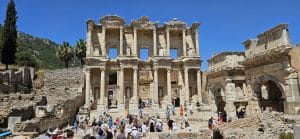
- Celsus Library which is the highlight and masterpiece of Ephesus
- The largest Greco-roman theater of the Ancient World
- Hadrian Temple
- Terrace Houses
- The Marble Street
- The Odeon
- The Temple of Domitian
- The Commercial and State Agora
Then you will go to the House of the Virgin Mary where she spent her last years. Pope Paul VI. Pope John II and Pope Benedict had been and joined the services. That means it is still an active chapel.
After you will visit all of you will go to Sirince Village which is a famous winery. Where you have a chance
to taste different types of red wines, white wines, rose wines, and fruit wines.
After you all have seen the sites you will have your lunch in a Turkish local restaurant with delicious homemade Turkish food. There are options for vegetarians and gluten-free.
Sites to Visit
- Temple of Artemis: One of the Seven Wonders of the Ancient World.
- Ancient City of Ephesus: The largest uncovered Ancient City of Turkey.
- The House of Virgin Mary: The last important person who had been in the House of Virgin Mary was Pope Benedict who worshipped.
- Sirince Village: Famous for different types of winemaking.
Duration Time
This will be your Private Ephesus Sirince Winery Tour, which means the duration of your tour depends on your interest. For the general idea, you will spend about 5 or 6 hours on this tour.
Recommendations: There are uneven ancient streets in Ephesus, so please have your comfortable shoes and clothing, If you visit in summer please get your hat and sunblock creams and water.
Tour Prices
Private Tour prices are changing according to the number of adults. Please ask the price.
Children aged 7 and under can enter Ephesus and other historical sites around Ephesus free of charge. You must present an ID, passport or a photo of these documents to show your child’s age at the entrance.
PS: We would like to introduce to you the local cultural aspects of Ephesus showing handmade Carpet & Rug Art Weaving Teaching–Village and Ceramic Center or Leather Company – An Opportunity Not To Be Missed!
Sirince Village
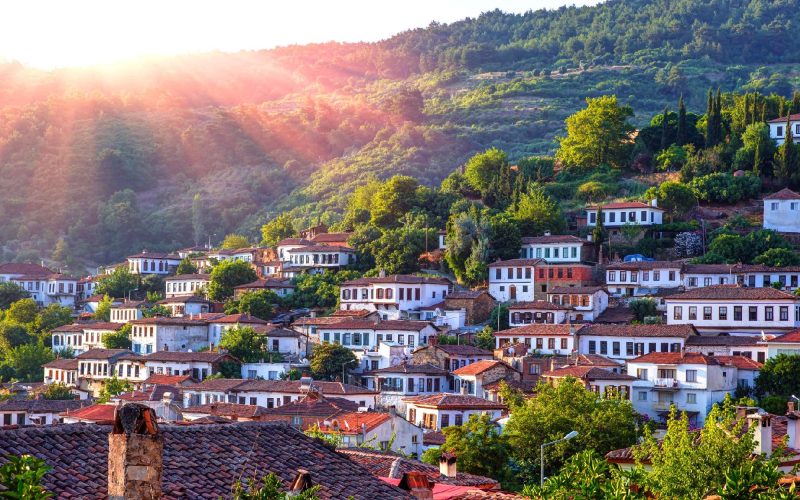
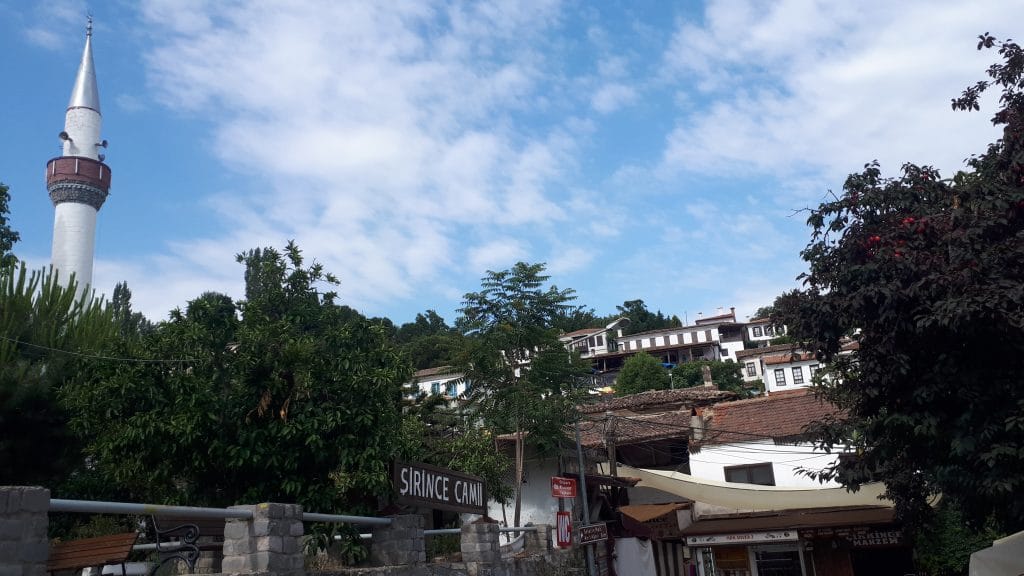
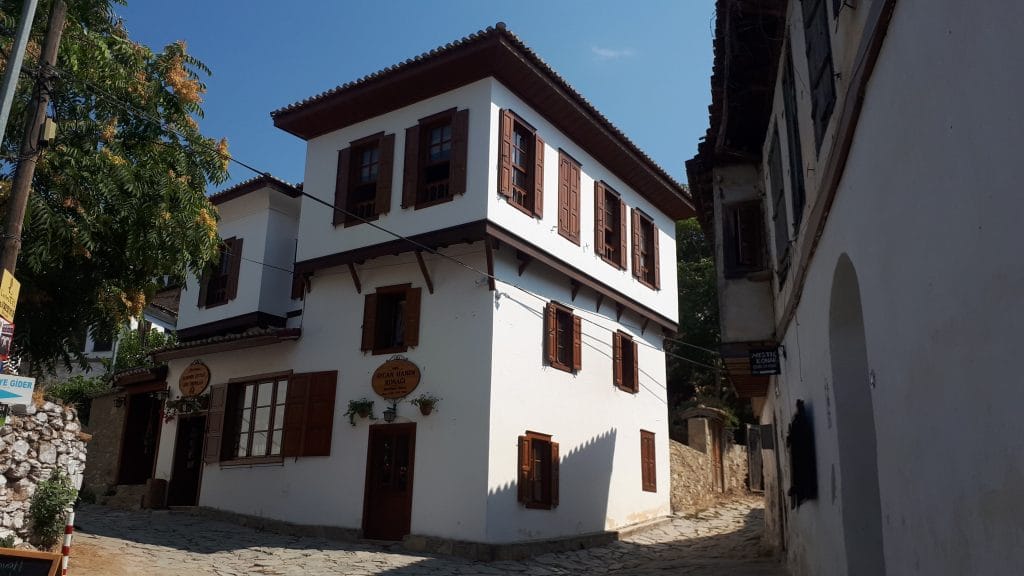
Sirince is a historical village located on a mountainside in the Selcuk district of Izmir, very close to Ephesus. It is approximately 8 km from SelCuk. With its stone streets, white-washed old Greek houses, red-tiled roofs, olive groves, and vineyards, it is considered one of the most beautiful villages in the Aegean.
It is said that the village’s old name was Kırkınca / Kirkince / Cirkince. In the early years of the Republic, during the governorship of Izmir, Kazım Dirik, its name was officially changed to Sirince. So, the place called “ugly” eventually became Sirince, befitting its name.
Sirince and Winemaking
One of Sirince’s most special aspects is its viticulture and wine culture. The village’s economy used to be based on viticulture, wine production, olive cultivation, and fruit farming. Today, the village is known for its vineyards, olive oil, jams, fruits, and especially fruit wines.
In Sirince, not only grape wine but also sweet-flavored wines made from various fruits such as mulberry, sour cherry, peach, apple, pomegranate, and melon are famous. This distinguishes Şirince from classic vineyard villages; the village has gained fame primarily for its fruit wines.
Winemaking here is not just about beverage culture, but also about agriculture, tourism, and tradition. During harvest time, grapes are picked, olives are harvested, and homemade products are prepared in the village. Therefore, winemaking in Sirince is an integral part of village life and the bounty of the Aegean.
Sirince, after the history of Ephesus, is a place that shows one the village spirit of the Aegean. The stone houses tell of its history, the vineyards of its bounty, and its wine culture all reflect the centuries-old culinary heritage of this land.
Types of Wines in Sirince
1. Fruit Wines
Şirince is most famous for its fruit wines, including those made from black mulberry, sour cherry, pomegranate, peach, strawberry, blackberry, blueberry, green apple, melon, and plum. Some producers also list varieties such as pineapple, mandarin, cranberry, quince, mango, and forest fruit.
Most of these wines are more aromatic, fragrant, and sweeter than classic grape wines. For example, black mulberry is darker in color and has a more intense fruity aroma; sour cherry is known for its sweet-sour balance; pomegranate gives a slightly tart and refreshing impression; peach and melon are considered among the softer, sweeter-smelling varieties. Some promotional pages for Sirince particularly highlight varieties such as pomegranate, sour cherry, peach, blueberry, and raspberry.
2. Grape Wines
In Sirince, there are not only fruit wines; there are also grape wines. Some local producers state that they make their products from grapes and fruits grown in gardens around Sirince and Selcuk.
Grape wines can generally be described under three main headings: red wine, white wine, and rosé wine. Red wines are fuller-bodied and darker in color; white wines can be lighter, floral, or fruity; and rosé wines are somewhere between red and white, with a softer and more refreshing character. In Şirince, fruit wines and grape wines are also considered as separate categories.
3. Mixed and Flavored Wines
In some shops in Sirince, you can also find products with different flavors such as sangria, mulled wine, honey-cinnamon, hibiscus-strawberry, pineapple-vanilla, and chocolate flavored. These should be considered more as tourist and aromatic varieties rather than traditional grape wines. What particularly attracts the attention of visitors to the village is the presence of so many different aromas and fruit varieties together.
4. What Makes Şirince Wine Special
What makes Sirince winemaking special is not just the variety. The fact that the village is an old Greek settlement, its location surrounded by vineyards and orchards, its stone houses and cellar culture make this business more story-driven. Some producers also say that they mature their wines in underground cellars; this allows the wine in Sirince to be described together with the “village atmosphere”.
In Sirince, winemaking is not just a classic tradition of making a drink from grapes; it’s a vibrant village culture that brings the bounty of Aegean fruits—from mulberries and cherries to pomegranates and peaches—to the bottle. That’s why Sirince’s wines are as famous as the village’s stone houses and old streets.